In industrial processes where precision matters, how a chemical is injected or a sample is extracted can directly impact safety, product quality, and system performance. That’s where an injection/sample quill plays a critical role. Despite being a relatively simple component, injection/sample quills are often misunderstood, improperly specified, or poorly installed, leading to inaccurate sampling, corrosion issues, or premature equipment failure.
At Aircom, we design and manufacture injection quills and quill assemblies for demanding industrial environments across North America. This guide breaks down what an injection quill is, why it matters, and how to choose the right configuration for your application.
What Is An Injection Or Sample Quill And How To Use Them?
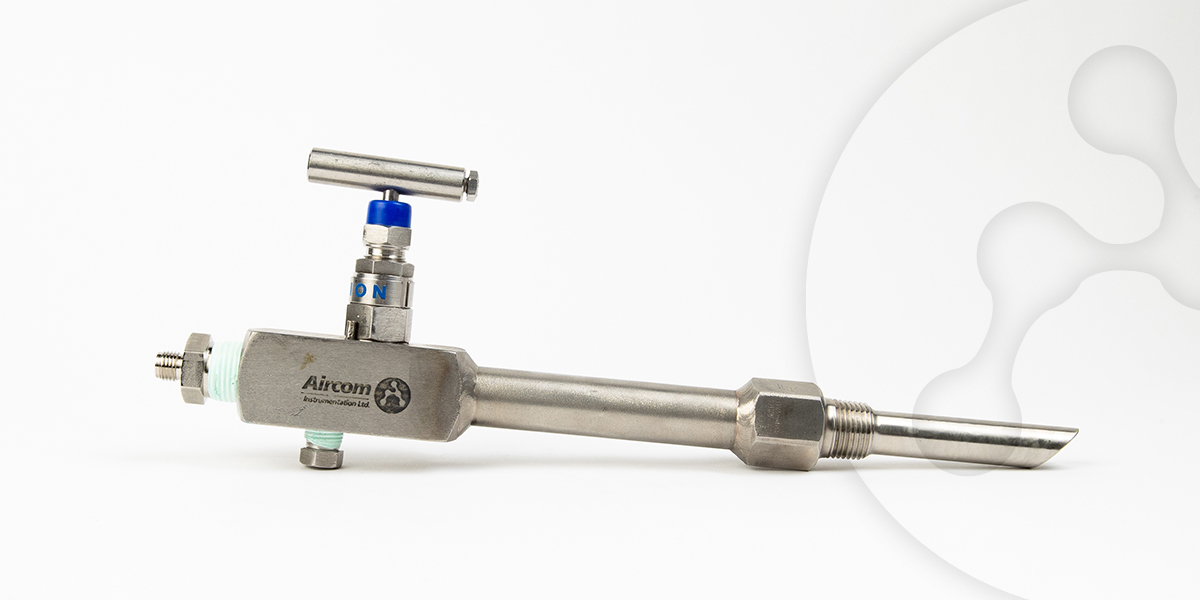
An injection/sample quill is a probe-like device installed directly into piping or vessels to introduce chemicals (Injection) into a flowing process stream. It ensures chemicals are injected at the correct depth and location within the pipe to promote proper mixing, avoid wall impingement, and prevent localized corrosion.
Injection/Sample Quills are commonly known by these names:
Sample / Injection Probe
Sampling /Injecting Probe
Stinger
For the purpose of this paper, we will use Quill(s).
Injection or Sample quills are commonly used for:
Chemical dosing
Corrosion inhibitors
pH control
Anti-foaming agents
Tracer injection
Sampling
In many applications, injection or sample quills are paired with valves at the factory by welding all connections to eliminate fugitive emissions.
Why Injection Or Sample Quills Matter For Accuracy And System Integrity
Improper chemical injection can cause far more than measurement errors. Without a correctly designed chemical injection quill, operators risk:
Poor chemical dispersion
Damage to pipe walls
Accelerated corrosion
Plugging or fouling
Inaccurate process control
Quality sampling of process fluids
A properly engineered injection quill in piping ensures chemicals are delivered into the centre of flow, improving reaction efficiency and protecting downstream equipment.
Key Types Of Injection Quill Configurations
Chemical Injection Quill with Check Valve: Used to prevent backflow and protect injection systems from pressure surges. These are common in high-pressure pipelines and chemical dosing systems.
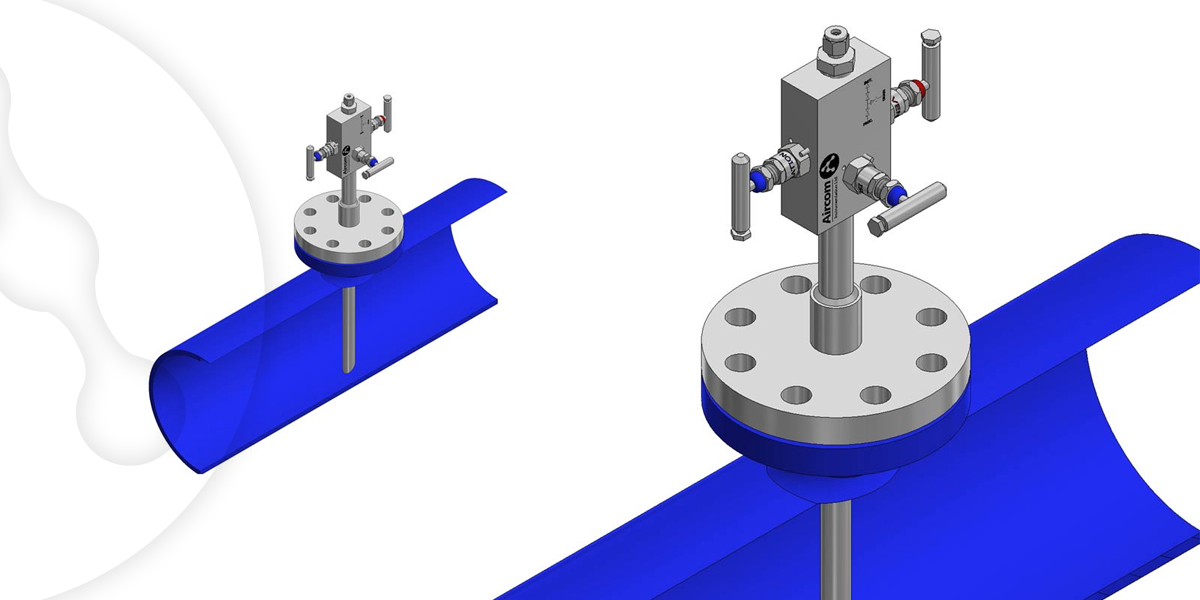
Injection Quill Flanged: Flanged injection quills allow for easier removal and maintenance, especially in higher-pressure or larger-diameter piping systems.
Injection Quill Kit: [KM1] Complete kits typically include the quill, mounting hardware, seals, and optional check valves, simplifying procurement and installation.
Major Considerations With Injection Quill
Materials Matter: Exotic Alloy Injection Quills
Not all environments are created equal. For corrosive or high-temperature processes, exotic alloy sample quills are essential. Material selection is critical to ensuring long service life and preventing chemical compatibility issues.
Injection Quill Installation: Getting It Right
Correct injection quill installation is just as important as selecting the right quill. Key considerations include[KM1] :
Proper insertion depth into the process stream
Correct orientation based on flow direction
Secure mounting to avoid vibration or fatigue
Alignment with P&ID requirements
Injection quills are typically shown clearly on an Injection Quill Piping and Instrumentation Diagram, indicating placement, valve configuration, and safety features. Improper installation can negate even the best quill design.
Injection Quills vs Sampling Probes
While injection quills introduce chemicals, sampling probes extract process fluid for analysis. Both are critical components of process sampling systems, and both require careful design to avoid dead zones, contamination, or inaccurate results.
The Aircom Injection Or Sample Quill Advantage?
At Aircom, our injection/sample quill solutions are engineered for real-world industrial reliability, designed to perform consistently in some of the most demanding environments across North America.
One of the key differentiators in our quill line is the attention paid to materials, machining precision, and fit-for-purpose assembly. Whether you need threaded or flanged sample/injection quills or more specialized configurations with valves, Aircom builds quills that integrate seamlessly into your piping systems while minimizing turbulence, corrosion, and maintenance downtime.
Aircom’s range of quill assemblies includes exotic alloy sample quills for applications that challenge conventional stainless steels.
Aircom helps plant engineers and maintenance teams achieve:
Greater longevity in corrosive and high-pressure environments
More accurate sampling and injection performance through stable, dimensionally consistent assemblies
Reduced unplanned outages due to material degradation or corrosion
Better integration with your existing process sampling systems and piping specifications
An injection quill is used to safely and accurately introduce chemicals into a flowing process stream. It ensures proper dispersion of chemicals while preventing pipe wall impingement, corrosion, and localized wear. Injection quills are commonly used for corrosion inhibitors, pH control chemicals, tracers, and anti-foaming agents.
What is the difference between an injection quill and a sampling quill?
An injection quill introduces chemicals into a process, while a sampling quill extracts process fluid for analysis. Both are critical components of process sampling systems, but they serve opposite functions and require different design considerations.
Where is an injection or sample quill installed in piping?[KM1]
An injection/sample quill in piping is installed directly into the pipe wall, extending into the centre 2/3rds of the process flow. Proper insertion depth and orientation are essential to ensure effective mixing and to prevent damage to the piping system.
What materials are used for injection or sample quills[KM2] ?
Injection/sample quills can be manufactured from a wide range of materials depending on process conditions. Common materials include carbon and stainless steel, while exotic alloy sample quills such as Hastelloy, Monel, Alloy 625, Alloy 825, Super Duplex 2507, and Inconel are used for corrosive, high-temperature, or high-pressure applications.
Do injection or sample quills require check valves?
In many applications, a chemical injection quill with a check valve is recommended to prevent backflow and protect injection equipment from pressure surges. The need for a check valve depends on system pressure, chemical type, and safety requirements.
What does an injection or sample quill installation involve?
Proper injection/sample quill installation includes selecting the correct insertion length, securing the quill to prevent vibration, aligning with flow direction, and verifying placement per the Injection Quill P&ID. Incorrect installation can lead to poor chemical distribution/sampling or equipment damage.
What is included in an injection or sample quill kit?
An injection quill kit typically includes the quill, mounting hardware, seals, and optional components such as check valves or fittings. Kits simplify procurement and help ensure compatibility during installation.[KM3]
What affects injection or sample quill price?
Injection/sample quill price varies based on material selection, pressure and temperature ratings, mounting type (threaded or flanged), size and whether the quill is custom engineered for a specific application.
Can injection or sample quills be customized?
Yes. Many applications require custom quill assemblies to match piping size, chemical compatibility, pressure ratings, and process conditions. Aircom specializes in custom quills designed for real-world industrial environments.