What Are Bleed and Flush Rings? Why They Matter for Safety, Accuracy, And Reliability
Aircom
Products
May 5, 2026
In industrial measurement systems, accuracy and safety often depend on small but critical components. Bleed rings and flush rings are two such components, installed between flanges, yet playing a major role in protecting equipment, ensuring accurate readings, and enabling safe maintenance.
Whether you are working with pressure transmitters, differential pressure (DP) flow meters, or level instruments, understanding when and why to use bleed or flush rings can significantly improve system performance.
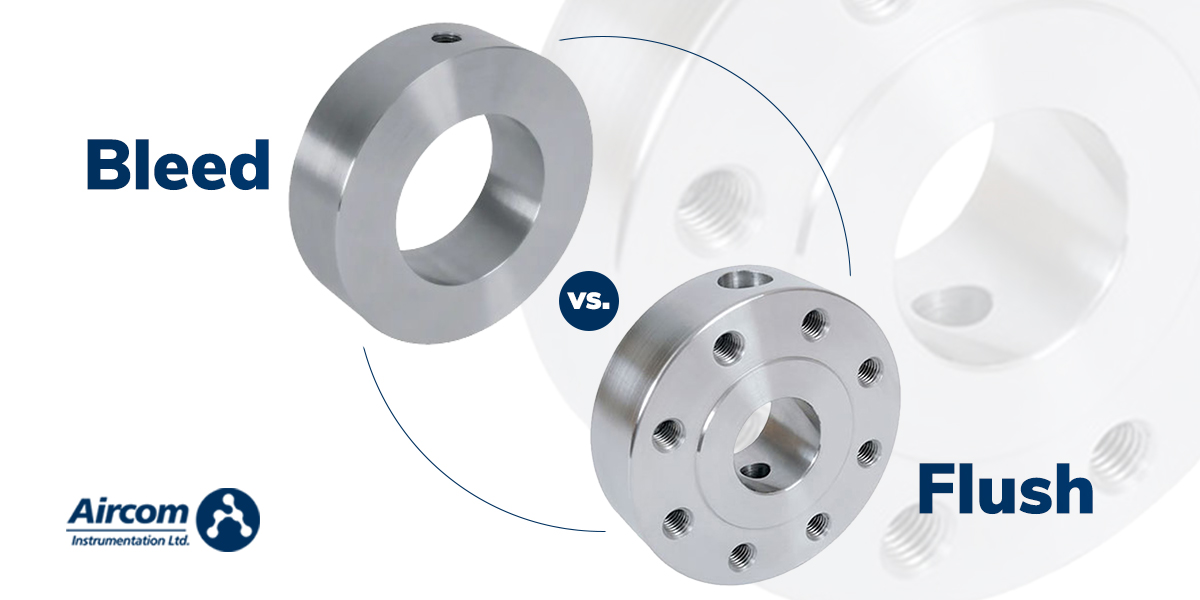
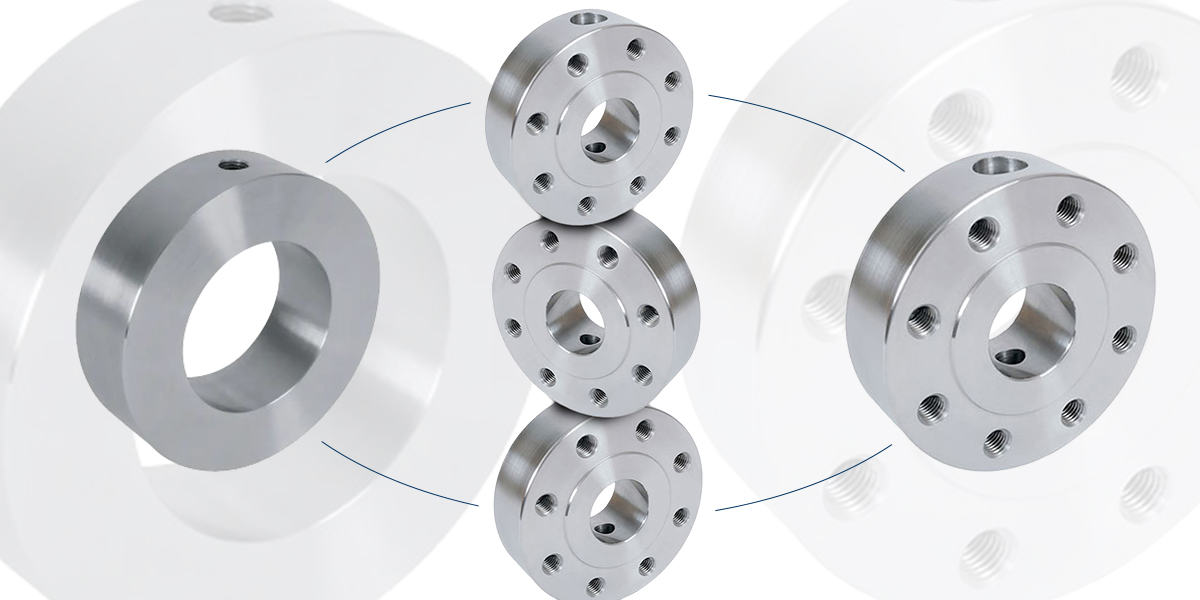
Bleed rings and flush rings are spacer rings installed between process flanges and instrumentation, designed to either safely release pressure or maintain clean measurement conditions.
They are commonly used in:
Pressure and DP transmitters
Level measurement systems
Diaphragm seal installations
Process piping systems
While they look similar, their function is very different—and choosing the right one matters.
What Is a Bleed Ring?
A bleed ring (also called a vent ring) provides a controlled way to release trapped pressure, gas, or liquid at the instrument connection.
Key function:
Safe venting or draining
Pressure relief before maintenance
Controlled depressurization
Bleed rings are widely used in high-pressure and hazardous environments where safety is critical.
What Is a Flush Ring?
A flush ring (also called a purge or cleaning ring) is used to inject fluid into the process connection to clean or maintain it.
Key function:
Cleaning buildup from sensors
Preventing fouling or plugging
Maintaining measurement accuracy
Flush rings are essential in applications with dirty, viscous, or crystallizing fluids.
Why You Need Bleed or Flush Rings
In real-world operations, process conditions are rarely ideal.
Pressure can become trapped behind instruments
Fluids can coat, crystallize, or plug connections
Maintenance requires safe isolation
Bleed and flush rings solve these problems directly:
Bleed rings protect people and equipment
Flush rings protect measurement accuracy and uptime
Together, they support safe, reliable, and maintainable systems.
Bleed Ring - Safety & Maintenance
A bleed ring provides a safe and controlled vent point, allowing operators to relieve pressure before removing or servicing equipment.
Why it matters:
Prevents sudden pressure release
Protects technicians during maintenance
Reduces risk of spills and incidents
Supports plant safety procedures
Simple rule: If there is pressure or hazardous fluid → use a bleed ring.
Flush Ring - Reliability & Accuracy
A flush ring ensures the process connection remains clean and functional, preventing measurement drift or failure.
Why it matters:
Prevents plugging and coating
Maintains measurement accuracy
Extends instrument life
Reduces downtime and maintenance
Simple rule: If there is fouling, buildup, or dirty fluid → use a flush ring.
Bleed Ring vs Flush Ring (Quick Comparison)
Feature
Bleed Ring
Flush Ring
Main function
Vent/drain
Clean / purge
Purpose
Safety & maintenance
Prevent plugging
Port use
Release pressure or fluid
Inject flush medium
Common fluids
Process fluid or gas
Water, steam, air, chemicals
Typical applications
Gas, high-pressure, hazardous service
Slurry, viscous, chemical processes
Materials & Standards
Bleed and flush rings are designed to match process piping standards and conditions, including:
Material selection is critical, especially in corrosive or sour service environments.
Practical Example
DP transmitter in slurry service → Flush ring prevents clogging
Pressure transmitter in gas service → Bleed ring ensures safe venting
In many chemical applications, both are used together for full protection.
Bleed And Flush Rings Applications in Various Industries
Applications in Chemical Service
Chemical plants deal with fluids that are corrosive, toxic, and prone to fouling, making both safety and cleanliness essential.
Bleed Rings in Chemical Service
Used to:
Safely vent hazardous chemicals
Relieve trapped pressure
Support maintenance and isolation
Why it’s critical
Many chemicals are hazardous (acid, caustic, solvent, toxics)
Trapped pressure behind a diaphragm seal is dangerous
Environmental and safety rules require controlled depressurization
Typical uses
Pressure transmitters
DP transmitters
Level instruments on reactors, columns, tanks
Corrosive or toxic services
Primary purpose: Safe venting / draining for maintenance and isolation
Flush Rings in Chemical Service
Chemical plants are where flush rings really shine.
A flush ring allows operators to clean, purge, or condition the instrument connection.
Why flush rings are used
Many chemicals:
Crystallize (e.g., salts, urea, acids)
Polymerize (resins, monomers)
Coat diaphragms (slurries, viscous chemicals)
Solidify when cooled
Flush rings allow injection of:
Solvent
Water
Steam
Nitrogen
Neutralizing chemicals
Primary purpose: Prevent plugging, coating, and measurement drift
When Each Ring Is Used (Chemical Plants)
Process Condition
Recommended
Hazardous chemical
Bleed ring
Corrosive service
Bleed ring
Crystallizing fluid
Flush ring
Viscous / sticky fluid
Flush ring
Critical measurement
Both
Typical Configurations and Materials Matter (Chemical Plants)
Most common configuration
Dual-port flush rings (flush + vent)
Installed between process flange and diaphragm seal, or between process flange and transmitter
Materials Matter (Chemical Plants)
Material selection is often more important than the ring type.
Common materials:
316 / 316L SS – general chemical service
Hastelloy C-276 – aggressive acids
Monel – caustic / HF
PTFE-lined or coated – strong corrosion resistance
Ports are usually fitted with:
Valves
Tubing to closed drain systems
Neutralization systems
Applications in Oil Processing
Pressure Relief and Safety (Bleed Rings)
Controlled Depressurization: They are used to safely drain or vent hazardous, flammable, or toxic fluids and gases from pipelines and vessels before maintenance, preventing sudden, uncontrolled releases.
Leak Detection: By monitoring for leaks at the bleed point, operators can identify upstream valve failures or seal leaks.
Thermal Expansion Management: They act as safety mechanisms to relieve excess pressure caused by thermal expansion or process upsets.
Instrument Maintenance and Cleaning (Flush Rings)
Diaphragm Seal Cleaning: Flush rings are placed between a transmitter and the process flange to flush out viscous or high-solid-content fluids (like crude oil sludge) that can clog the instrument diaphragm.
On-site Calibration: The ports allow for the injection of a calibration pressure source to check or calibrate pressure transmitters without dismantling the connection.
Preventing Clogging: By allowing for regular injection of cleaning fluids or steam, they keep process connections for gauges and transmitters clear.
Sampling and Chemical Injection
Safe Sampling: They provide a designated point to take representative samples of crude oil, gas, or process liquids for lab testing without interrupting the overall process flow.
Chemical Injection: They can be used as injection points for corrosion inhibitors, methanol, or other specialized chemicals without installing complex, permanent piping branches.
Process Piping Support
Small Bore Pipe Connection: They allow for the easy attachment of instruments, such as pressure gauges, temperature sensors, or transmitters, in tight spaces.
System Purging: They enable the introduction of nitrogen or other purging gases to clean sections of the pipe, creating a safer environment for maintenance crews.
Typical Applications in the Oil Field
Refineries and Petrochemical Plants: Used extensively for managing hydrocarbons where pressure, temperature, and corrosion resistance are critical.
Offshore Platforms: Used to save space and provide secure, reliable pressure monitoring.
Crude Oil Transport Lines: Used for venting pressure and monitoring lines to prevent overpressurization.
Applications in Natural Gas Service
Bleed rings are mostly used in Natural Gas Service, while Flush rings are rarely used with natural gas.
Why a Bleed Ring is Used in Natural Gas Service
Natural gas is:
Clean and dry (no solids to wash away)
Compressible and pressurized
Potentially hazardous if trapped or released uncontrolled
A bleed rings allows you to safely vent trapped gas or pressure at the instrument connection.
Typical Uses of Bleed Rings in Natural Gas Service
Pressure transmitters
DP transmitters (orifice, averaging pitot, etc.)
Level instruments on gas separators
Analyzer sample systems
What the Bleed Ring Provides
A controlled vent point for:
Depressurizing before instrument removal
Commissioning and troubleshooting
Safe maintenance
Reduces risk of:
Sudden gas release
Injury
Equipment damage
This is a safety and maintenance requirement, not a cleaning function.
Why a Flush Ring Is Usually NOT Used
Flush rings are meant to:
Inject liquids or gases to wash away buildup
Prevent plugging or coating
Natural gas:
Does not foul diaphragms
Does not crystallize or sludge
Should not be intentionally injected with liquids
Using a flush ring on natural gas would:
Add unnecessary leak points
Increase ignition risk
Complicate permitting and procedures
It has no process benefit and is an added safety risk.
Typical Configuration for Natural Gas
Single-port bleed ring
Most common
Used for venting or pressure relief
Dual-port bleed ring
Occasionally used on DP applications
One port per side (high / low)
Common specs
Material: 316 SS (most common)
Connection: ½" NPT or 1" NPT port
Pressure class: ASME 600 / 900 (depends on the line)
Location: Between process flange and transmitter or diaphragm seal
This is critical in oil & gas and chemical plants.
Quality & Manufacturing Standards
ISO 9001
Quality management system
Often required by EPCs and end-users
Confirms:
Controlled manufacturing
Traceability
Consistent processes
API Q1 / Q2 (sometimes requested)
Mainly oil & gas focused
Not always required for rings, but adds credibility
Instrumentation & Process Expectations
ISA / IEC Best Practices (Indirect)
While ISA doesn’t publish a bleed-ring-specific standard, it:
Recognizes bleed/flush rings as accepted best practice
Especially with:
Diaphragm seals
Hazardous services
Maintenance-intensive applications
Environmental, Safety & Plant Rules
Many plants also require compliance with:
OSHA / OH&S principles (safe maintenance)
Plant isolation & lock-out procedures
Closed drain/vent systems
Bleed rings are often justified as: “A mechanical means to meet safe isolation and depressurization requirements.”
Bleed And Flush Rings - The Aircom Advantage
At Aircom, bleed and flush rings are more than standard components; they are custom solutions designed for real-world performance.
Under our Process Piping and Fitting Products group, Aircom manufactures bleed and flush rings to meet customer-specific requirements.
We understand that every system is different. That’s why we focus on delivering solutions that improve safety, reliability, and measurement accuracy, not just meet specifications.
Learn more about Aircom’s Bleed and Flush Rings and speak with our team.