
Industrial temperature sensors often operate in environments where heat is both the measurement target and a potential source of problems.
A thermocouple or RTD may be selected for a high process temperature, but that does not mean every part of the measurement assembly should be exposed to the same conditions. Radiant heat, hot process gases, direct process contact and conducted heat can affect the sensor, cable, connections and other components differently.
That is why choosing temperature sensor protection starts with a simple question: What are you actually trying to protect the sensor from?
A heat shield, protection tube and thermowell can all help protect temperature instrumentation, but they do different jobs. Understanding those differences can help engineers and maintenance teams choose a solution that protects the instrument without interfering with the measurement.
Before selecting a heat protection solution, identify how unwanted heat is reaching the instrumentation.
In industrial applications, heat can reach a sensor in several ways.
Radiant heat travels from hot surfaces, flames, burners and furnace walls without requiring direct contact.
This can be particularly important for surface-mounted temperature sensors. The sensor needs to measure the surface it is attached to, but strong radiant heat from the surrounding furnace can also influence the sensor assembly.
In this situation, a properly designed heat shield or insulated shroud may be appropriate.
Sensors installed around furnaces, exhausts and other high-temperature equipment may be exposed to hot moving gases.
Even when the sensing point can tolerate the temperature, transitions, cables, terminal heads or other components may have lower temperature limits.
Shielding, appropriate sensor construction and careful placement can help reduce unnecessary exposure.
Heat can travel from hot piping, equipment or mounting hardware into other parts of the instrumentation assembly.
If conducted heat is reaching a transmitter, terminal head or connection, the solution may involve changing the installation arrangement, increasing separation from the heat source or selecting components rated for the expected temperature.
In other applications, the primary challenge is not surrounding heat at all. The temperature sensor itself is inserted into a hot, corrosive, high-pressure or fast-moving process.
In these cases, a thermowell or protection tube may be more appropriate than a radiant heat shield.
These solutions are sometimes discussed together, but they should not be treated as interchangeable.
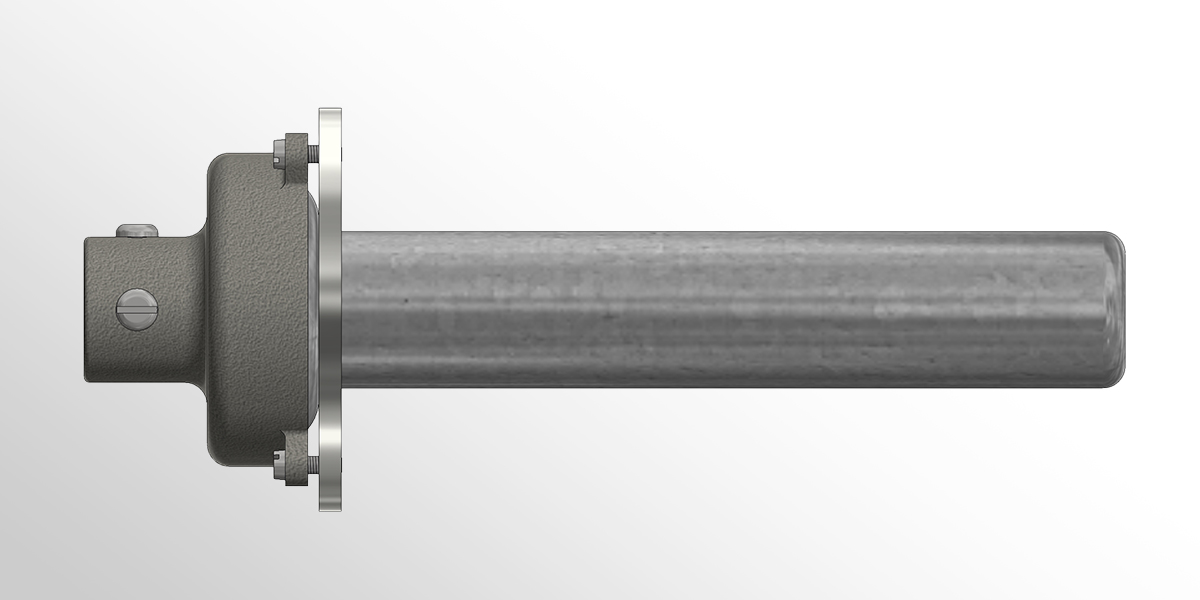
An industrial sensor heat shield helps reduce unwanted thermal exposure from the environment around the sensor.
The goal is not to block the temperature the instrument needs to measure. It is to reduce heat coming from another source that could influence the measurement or expose parts of the assembly to unnecessary temperature.
Heat shields can be useful around:
The design and placement of the shield matter. A poorly positioned shield could change the sensor's thermal environment in ways that affect the measurement.
For that reason, heat protection should be considered as part of the complete sensor installation rather than simply adding a barrier around the instrument.
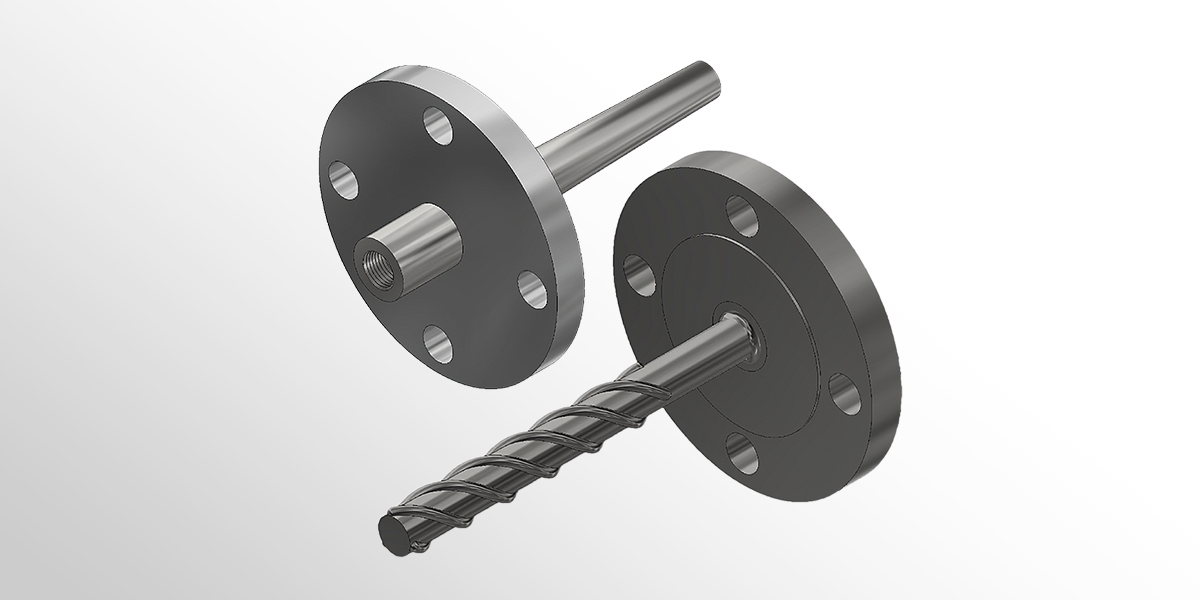
A protection tube surrounds the temperature sensor and helps protect it from direct contact with demanding process conditions.
Protection tubes are commonly used in furnaces and other high-temperature applications where conventional alloy thermowells may not be suitable.
Depending on the application, they can be manufactured using:
This makes protection tubes useful where the sensor must reach directly into an environment involving very high temperatures or aggressive process conditions.
When selecting a protection tube, consider:
The important distinction is that a protection tube protects the sensor from the process, while a heat shield primarily helps manage unwanted thermal exposure around the sensor.
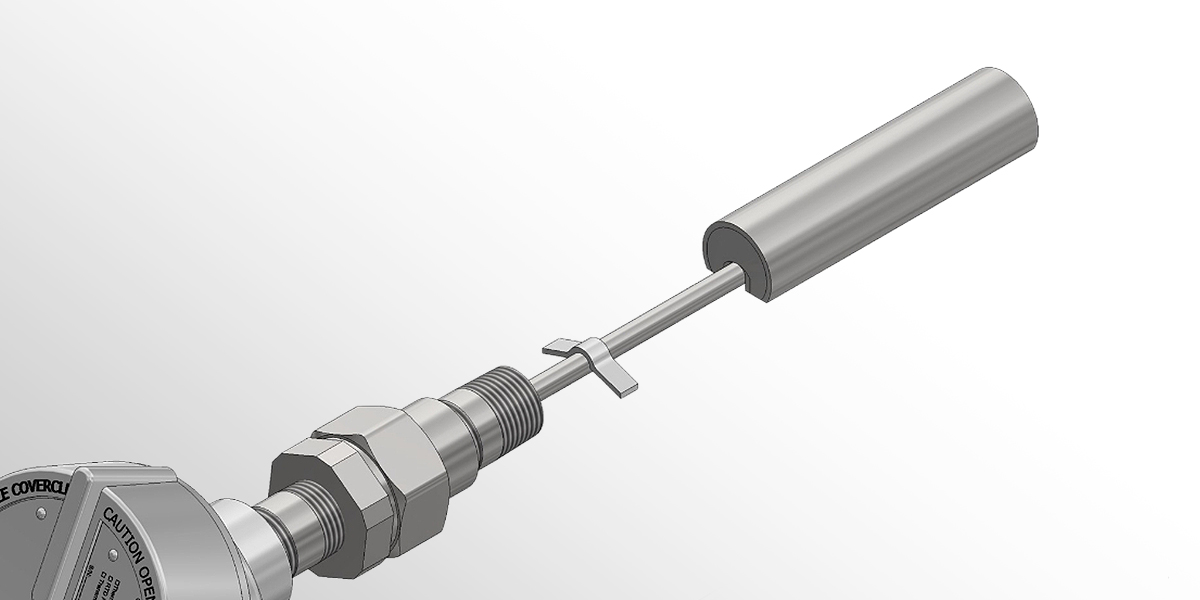
A thermowell also separates a temperature sensor from direct process contact.
Thermowells are commonly used where the sensor needs protection from conditions such as:
The temperature sensor sits inside the thermowell rather than being directly exposed to the process.
Another important benefit is maintainability. In many installations, the sensor can be removed, inspected or replaced without directly opening the process itself.
Thermowell selection should account for much more than temperature. Material compatibility, pressure, flow velocity, insertion length, connection type and vibration can all influence the design.
For very high-temperature environments, however, a protection tube may become more suitable than a conventional alloy thermowell.
Once the type of protection has been determined, material selection becomes equally important.
The right material depends on factors such as:
Metal alloys may be suitable for many industrial applications, while ceramics or silicon carbide may be appropriate for extremely high-temperature environments. Material should therefore be selected around the actual process conditions, not temperature alone.
Even well-designed sensor protection can underperform if it is installed incorrectly.
For heat shields, installation should maintain the intended relationship between the measurement point, shield and heat source.
For protection tubes and thermowells, insertion depth, sensor fit and process positioning can affect both measurement response and mechanical performance.
Cable routing also matters. Mineral-insulated cable, transitions and connections should not be unnecessarily exposed to direct heat when the installation allows them to be routed into a cooler area.
Good heat protection therefore considers the entire installation from the measurement point back to the connection.
Tube metal temperature measurement provides a good example of why choosing the right heat protection requires understanding the measurement itself.
Aircom's BTB and BTB2 Tube Metal Temperature Sensors are designed to measure tube metal temperature in applications such as furnaces, boilers and other fired equipment.
The measurement junction needs strong thermal contact with the tube. At the same time, unwanted radiant heat from the furnace environment can influence the assembly.
The original Aircom BTB uses an insulated shroud or heat shield around the sensor. The shroud is manufactured using material matched to the sensor and packed with high-temperature insulation.
The BTB2 builds on Aircom's tube metal temperature sensor design with a smaller sensor block, direct tube contact and an optional heat-shield configuration for demanding applications.
In this type of application, the heat shield is not simply there because the environment is hot. It has a specific job: help manage the thermal environment around the sensor while allowing the measurement junction to represent the tube temperature.
For temperature measurements where the sensor itself needs protection from direct high-temperature process exposure, Aircom manufactures protection tubes using ceramic, silicon carbide, metal alloy and custom material options.
These configurations are commonly used in furnaces and other applications where conventional alloy thermowells may not withstand the required temperature.
Protection tube design can be configured around factors including sensor size, process connection, immersion length, material and process conditions.
Where pressure, flow, corrosion or direct contact with process media is the primary concern, Aircom manufactures threaded, socket-weld and flanged thermowells in a range of configurations and materials.
Aircom’s StrakeWell design may be the solution for applications where standard configurations do not meet the process requirements.
The key is choosing the protection method around the problem, not defaulting to the same solution for every temperature sensor.
Not sure whether your application requires a heat shield, protection tube, thermowell or a custom temperature sensor configuration?
Contact Aircom Instrumentation to discuss your process conditions and temperature measurement requirements.