
In industrial temperature measurement, heat is the thing you are trying to measure, but it can also be one of the biggest challenges to the measurement system itself.
Temperature sensors installed in furnaces, boilers, process heaters and other high-temperature equipment may be exposed not only to the temperature being measured, but also to radiant heat, extreme ambient temperatures, thermal cycling and harsh process conditions.
Without the right protection, those conditions can affect sensor components, influence temperature readings and contribute to premature sensor failure.
That is where a properly designed sensor heat shield or other high-temperature protection solution can make a difference.
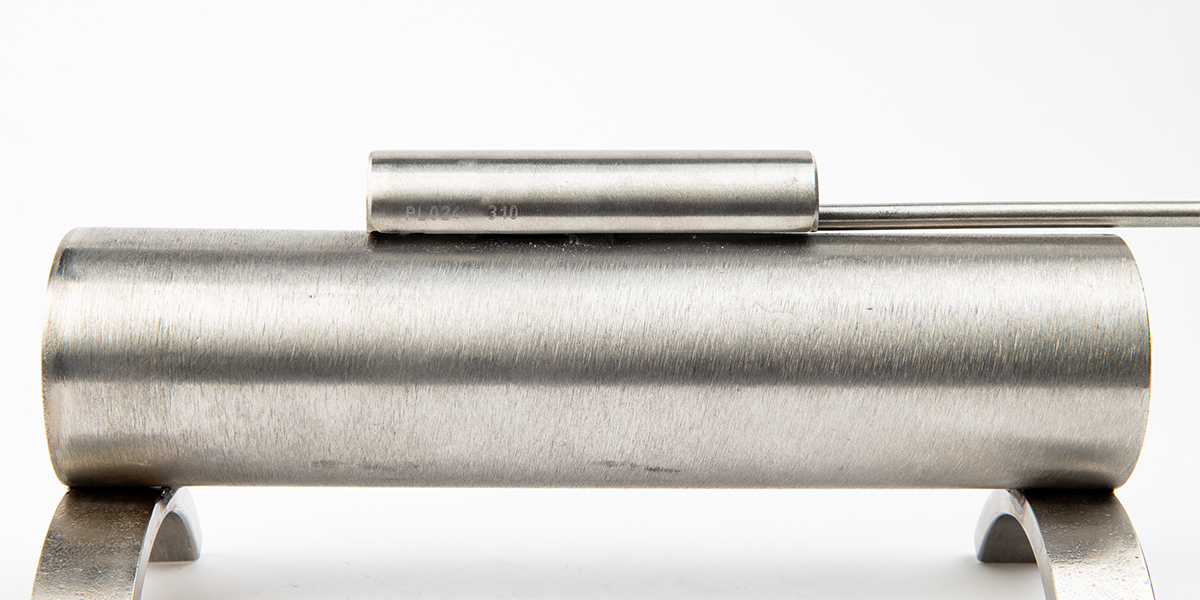
A sensor heat shield is designed to reduce unwanted heat exposure to specific parts of a temperature-measurement assembly.
This distinction matters. The goal is generally not to shield the sensing point from the temperature it needs to measure. Instead, the design should protect the sensor from heat coming from the wrong direction, excessive radiant energy, or temperatures that could damage surrounding components.
Depending on the application, heat protection for temperature sensors can include:
The right solution depends on what is being measured and what is threatening the sensor.
How Heat Shields Work
This is especially important with surface temperature sensors.
A surface sensor needs to follow the temperature of the surface it is measuring. In a furnace or boiler, however, the sensor can also be exposed to intense radiant heat from burners, flames and surrounding hot surfaces.
If that unwanted radiation has too much influence on the sensing area, the resulting temperature can become less representative of the actual surface temperature.
A properly designed heat shield can help isolate the measurement from some of that surrounding radiant energy and improve confidence that the sensor is responding primarily to the intended surface.
This principle is particularly important in tube metal temperature measurement, where accurate surface contact and control of surrounding heat influences are critical. Aircom notes that surface sensors measure their own temperature, so measurement quality depends heavily on how well the sensor tracks the surface being monitored.
The sensing junction may be designed for very high temperatures, but that does not mean every component in the sensor assembly has the same temperature rating.
Transitions, lead wires, connectors and other components can have lower temperature limits than the sensing element or sheath itself.
Aircom’s thermocouple guidance notes that the temperature limit of a probe depends on all of the materials used in its construction, and that the sheath will often have a higher temperature rating than the transition and lead wires.
Effective heat protection for temperature sensors therefore also means keeping unnecessary heat away from the parts that are not intended to withstand it.
Extreme temperature, repeated thermal cycling and aggressive furnace conditions can place considerable stress on a sensor assembly.
Using the correct shield, sheath or protection tube can help limit unnecessary exposure and protect sensitive components from mechanical damage, corrosion, contamination or excessive heat.
This can help reduce premature replacement and support a longer, more reliable service life.
The wider instrumentation industry uses high-temperature ceramic and silicon-carbide protection tubes specifically to protect thermocouples from aggressive process media and mechanical damage, helping improve life expectancy in severe applications.
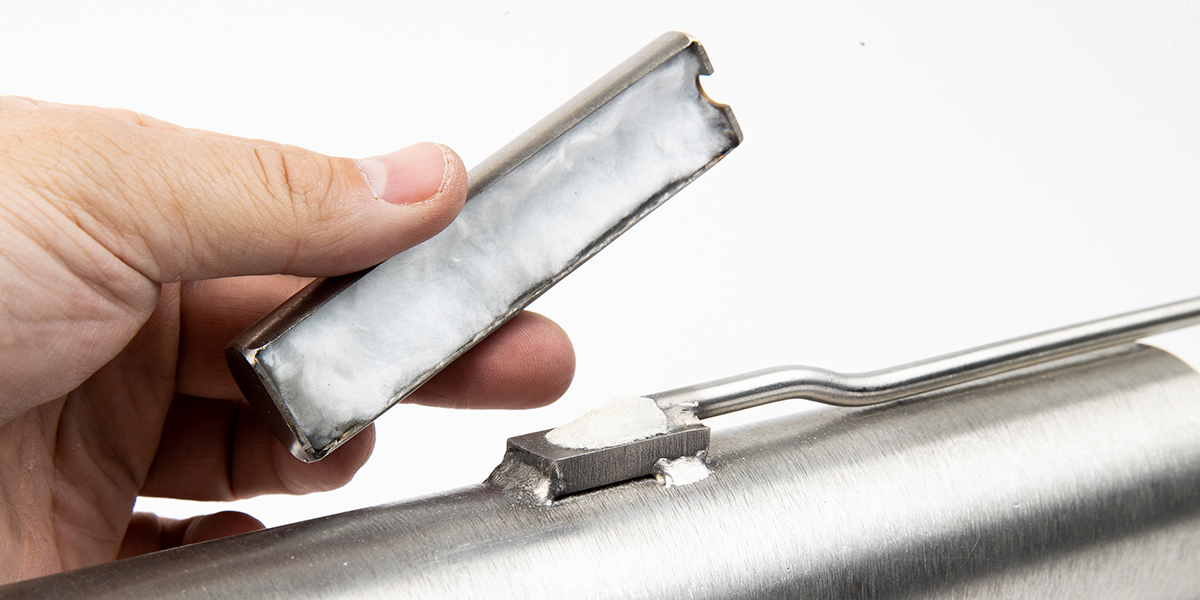
One of the clearest examples within Aircom’s product line is the Aircom Boiler Tube Block (BTB and BTB2) thermocouple.
The BTB and BTB2 are designed for continuous tube-wall temperature measurement inside fired equipment such as boilers, furnaces, HRSGs and OTSGs. Its thermocouple junction is fused to the tube wall to support accurate tube metal temperature measurement.
The BTB and BTB2 assembly includes an insulated shroud, or heat shield, positioned over the sensor block. The shroud is manufactured from material that matches the sensor and is packed with special high-temperature insulation. Aircom’s installation instructions also call for the shield to be centred over the block and seal-welded into place.
The same installation guidance recommends routing the mineral-insulated cable away from direct heat exposure as soon as practical.
This demonstrates an important principle in sensor design: protecting the measurement requires thinking beyond the sensing junction itself and considering the complete sensor assembly.
A heat shield is not always the appropriate form of protection.
When temperature sensors need to operate directly within extremely hot process environments, a thermocouple protection tube may provide the better solution.
Aircom manufactures protection tubes from materials including:
These tubes protect temperature sensors from direct contact with the process while still allowing temperature measurement.
Aircom specifically distinguishes protection tubes from conventional thermowells because protection tubes can be constructed for very high-temperature environments that conventional alloy thermowells may not be able to withstand. Typical applications include furnaces and other high-temperature equipment.
For facilities researching high-temperature sensor protection or a thermocouple protection tube, material selection is particularly important. Maximum temperature, chemical compatibility, process conditions and thermal cycling should all be considered.
The temperature sensor itself also needs to match the environment.
Aircom manufactures ceramic thermocouple sensor probes for elevated-temperature applications. Aircom notes that ceramic materials used in these designs can operate at temperatures well above 1,000°C, with the probes typically installed inside ceramic or silicon-carbide protection tubes because of the fragile nature of ceramic sensor construction.
For example, Aircom's ceramic-bead thermocouple options include alumina and mullite insulation, with specified material temperature capabilities extending to 1,650°C and 1,800°C respectively, subject to the thermocouple type and overall assembly design.
This combination of high-temperature sensing technology and appropriate sensor protection allows the complete assembly to be designed around the actual process environment.
Thermowells provide another type of protection, but their function should not be confused with a radiant heat shield.
A thermowell protects a temperature sensor from direct contact with the process being measured. This can help protect the sensing element from pressure, flow and aggressive process media while also allowing the sensor itself to be removed or replaced without directly opening the process.
Aircom manufactures threaded, socket-weld and flanged thermowells, along with options for a wide variety of alloys, material traceability and non-destructive examination.
For very high-temperature service, protection tubes may become more appropriate than conventional alloy thermowells, depending on the process.
There is no universal sensor heat shield that works for every application.
Start by asking:
Protect the Sensor Without Compromising the Measurement. Need help protecting a temperature sensor in a high-heat application? Contact Aircom Instrumentation to discuss your process temperature, sensor configuration and protection requirements.
They can when unwanted radiant or ambient heat is influencing the measurement. The shield needs to be designed so it reduces unwanted heat transfer without blocking the sensor from the temperature it is intended to measure.
A heat shield primarily helps reduce unwanted heat exposure or radiant influence. A protection tube encloses the sensor to protect it from harsh process conditions and is commonly used for high-temperature applications such as furnaces.
Depending on the application, protection may include appropriate sheath materials, ceramic construction, a thermocouple protection tube, an insulated heat shield and careful routing of cables and transitions away from unnecessary direct heat.
Yes. Aircom’s BTB and BTB2 tube metal temperature sensors use an insulated shroud or heat shield as part of the assembly. Aircom also manufactures high-temperature protection tubes and sensor configurations for demanding temperature applications.