
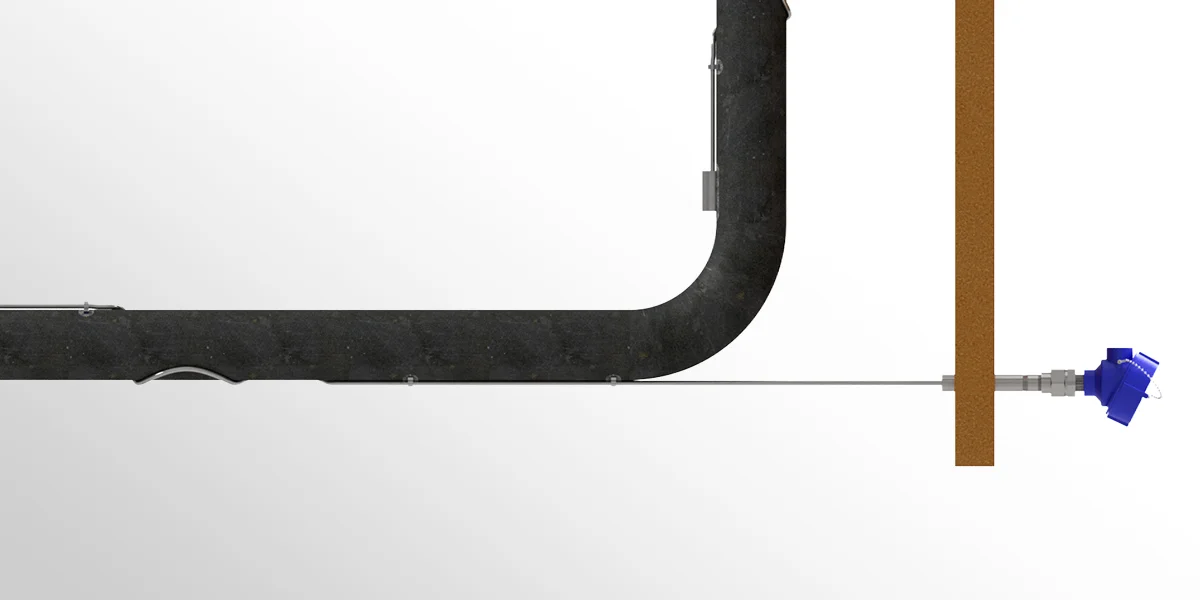
Inside a cracking furnace, hydrocarbon feedstocks such as ethane, propane, naphtha or gas oil are mixed with steam and heated to extremely high temperatures, typically between +750°C and +900°C. At these conditions, careful temperature control is essential to maintaining the desired cracking reaction.
One of the most important measurements is Coil Outlet Temperature (COT).
COT helps indicate the severity of the cracking reaction, making accurate and repeatable temperature measurement critical to furnace performance. The challenge is achieving that measurement reliably in one of the harshest environments for a temperature sensor.
The Aircom BTB2 Tube Metal Temperature Sensor was designed to address many of the long-standing challenges associated with surface temperature measurement in fired heaters and ethylene cracking environments.
The operating window in an ethylene cracking furnace can be unforgiving. When COT is too low, cracking can be incomplete, reducing ethylene conversion.
When COT is too high, coke and soot formation can accelerate inside the furnace tubes. As this coke layer builds, it insulates the inside tube wall. More firing is then required to maintain process temperature, further increasing the temperature of the tube itself.
This can create a difficult operating cycle: higher tube temperatures, increased coking, more firing, shorter furnace run length and more frequent decoking.
Operating near or above the tube's maximum permissible temperature for prolonged periods can accelerate tube-metal aging and creep. In more severe cases, tubes can begin to bulge, warp or eventually rupture.
When tube temperatures become too high, operators may have little choice but to reduce throughput or cracking intensity until decoking or maintenance can be performed, directly affecting plant yield and margins.
Reliable COT and tube metal temperature measurement therefore gives operators critical information for balancing cracking efficiency, coking rates, furnace run length and tube integrity.
The BTB2 was engineered specifically for demanding surface-temperature measurement applications and designed for faster installation.
At the centre of its design is a grounded thermocouple junction positioned directly at the tube surface, creating strong thermal coupling between the sensing point and the tube being measured.
Key BTB2 features include:
Together, these features are designed to provide a more stable and repeatable approach to tube metal temperature measurement.
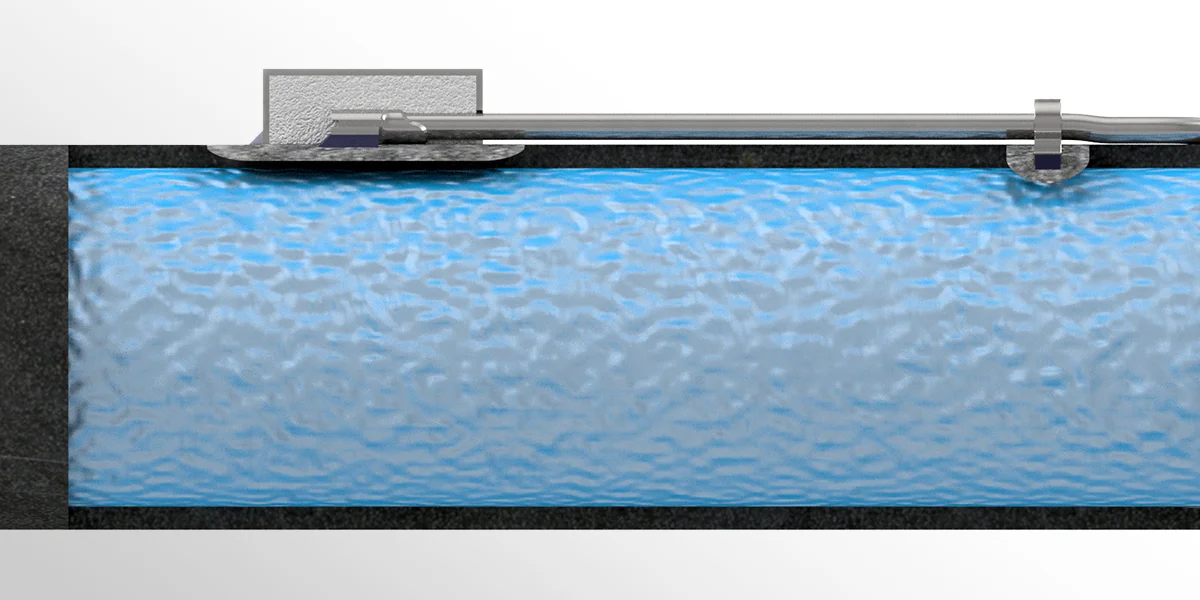
Ethylene cracking furnaces can have large numbers of coil outlet measurement points. Operators need to be able to compare those measurements consistently to understand what is happening across the furnace. This makes repeatability particularly important.
BTB2 was developed to address historical challenges associated with traditional surface-mounted COT sensors while providing consistent measurement across large numbers of monitoring points.
Better measurement confidence can help operators:
The goal is not simply more temperature data. It is more dependable temperature data on which operating decisions can be based.
Traditional surface-mounted tubeskin thermocouples have been used for decades, but the intense radiant and high-temperature conditions inside ethylene cracking furnaces can create significant measurement challenges.
Under hot-gas conditions, traditional designs can be influenced by the surrounding environment rather than only the actual tube-wall temperature.
Other historical challenges include sensor drift, metal loss, sudden sensor failure and poor repeatability between different coil outlets.
The BTB2 is also non-intrusive, meaning the temperature measurement is made from the tube surface without exposing the sensor directly to the process stream.
Rather than being an incremental modification to a traditional V/Knife pad/edge design configuration, BTB2 was developed around the recurring failure modes experienced in fired-heater surface measurement.
Even the best temperature sensor depends on proper installation. For surface temperature measurement, good thermal contact between the thermocouple and tube surface is essential. Poor contact can introduce measurement error and reduce repeatability.
Appropriate insulation or shielding can also be important for reducing the influence of surrounding heating/cooling on the measurement.
BTB2 incorporates several features intended to make proper installation easier and more repeatable, including a clearly identified weld location and a grounded junction already positioned at the tube surface.
Where required, the optional BTB2 heat shield incorporates an insulated groove designed to further isolate the sensing area from surrounding radiant heat or ambient temperature losses/gains.
Installation is only part of the measurement lifecycle. Regular inspection and maintenance should also form part of the facility's temperature-measurement program to confirm sensors remain in suitable condition and continue providing dependable measurements.
The difference between BTB2 and traditional V/Knife pad/edge design sensors extends beyond measurement performance. BTB2 was also designed to reduce the amount of work required during installation.
A technical installation comparison based on a 48-tubeskin heater and one welder per shift estimated the following:
These figures represent the specific installation scenario evaluated and should not be interpreted as guaranteed savings for every furnace.
The comparison demonstrates an important point: installation design can materially affect the total cost of implementing a furnace temperature-measurement system.
Looking to improve COT or tube metal temperature measurement? Contact Aircom Instrumentation to discuss the BTB2 and your temperature-measurement requirements.